

If there’s anything our new digital world has taught us, where webinars have replaced in-person conferences and texting threads have usurped phone calls, it’s that we as humans still need community. Connection. Interaction.
And while human-to-human interaction is important and powerful, we can get a lot of our emotional and social needs fulfilled through pet interactions.
Now, when I say pet, most people think of cats and dogs. Naturally. They’re the most common pets.
But there’s a whole world of less common pets who offer equally valuable support and companionship to their owners, yet get drastically overlooked when it comes to the world of pet loss.
Which is why grieving an uncommon pet can add an additional layer of loneliness to what’s already a painful loss.
Some People Are Just Born With It…
Part of this stems from preconceived notions about how certain animals should be perceived.
Whereas one person might call a snake, rat, chicken, pigeon, goat, fish, or tarantula their pet… someone else might consider those creatures objects, hobbies, pests, livestock, or even a decoration.
In other words, not a beloved pet with routines, preferences, trust, and memories.
So on top of the standard minimization of pet grief, or an invitation to “just get a new one,” there’s also incredulity: “Seriously? You’re upset over a tarantula?”
I can’t pretend I understand the bonds to all these animals. I’ve never owned livestock. I don’t think I could hold a tarantula without a mild panic attack.
But I do have a good friend named Kim who gave me a different perspective on these less-common pets
Kim and I were roommates in high school (a boarding school). One day Kim, who was a runner, went on a long run near our school and came back carrying a tarantula. She’d noticed it near her path, put one of her socks on her hand, and scooped the little guy up.
I was flabbergasted. Maybe even mortified. She was delighted.
Kim is also the reason we once had a pet rat in our room; another thing that was never on my wish list.
I don’t think I was very helpful with the rat. But I remember watching Kim play with little Meek, named after dropping a dictionary on the floor and picking the first word that jumped out at us.
Also, Kim went on to become a veterinarian. She clearly had early recognition and appreciation for animals that I didn’t relate to.
It’s the Guilt Few Understand
There’s something called specialized guilt around the loss of an uncommon pet. It’s where the decisions pet owners replay following the passing of their creatures are specific and not relatable to most pet owners. Things like:
Did the heat lamp fail?
Was the salinity ratio off?
Was the humidity too high?
Did I wait too long to change the substrate?
Did stress from handling harm them?
Did I mistake a sign that they were in trouble for normal species behavior?
Was there something toxic in their environment—cleaners, fumes, maybe insecticides?
Should I have quarantined a new animal?
Did I miss a subtle symptom?
Should I have found a specialist sooner?
But not only is support thin on the ground for questions like these. There are also fewer rituals and witnesses to understand what an uncommon pet loss feels like.
There aren’t really any condolence cards for losing your bearded dragon.
No social norm exists for memorializing a pet duck, a coral colony, or a pig. That person is left to create private rituals all on their own.
Stories Spring from All Connections
Here’s the thing I hope all people understand someday: What we grieve when a pet dies is not the taxonomy of the pet. It’s the specific relationship — the daily rituals built up over time, the particular presence, the way your home feels empty without them.
And all uncommon-pet owners have stories connected to their pets, just like common pets:
The cockatoo owner who can tell you exactly what their feathered friend sounded like first thing in the morning. The vocabulary they developed together. The way they tilted their head when they wanted attention.
The reptile owner who knows the warmth of their spotted gecko falling asleep on their chest while they watched TV.
The person whose hamster was their only real companion through a painful convalescence.
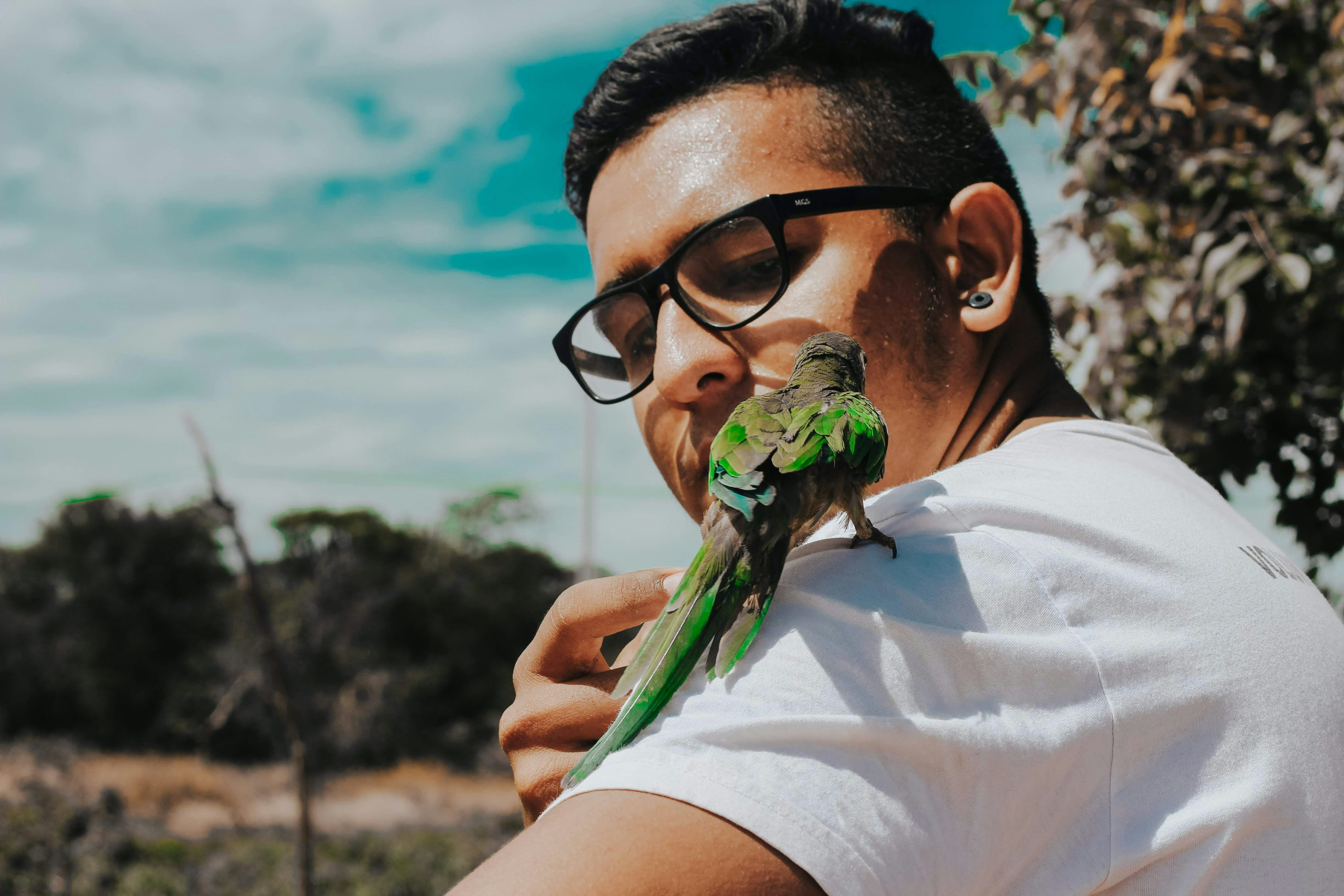
The bird owner whose parrot outlived two marriages and knew all her secrets.
The fish keeper who maintained carefully calibrated habitats with the same love a gardener brings to land they’ve tended for years.
The Secret? Deliberate Attention
Research on the human-animal bonds has historically focused on dogs and cats — which itself reflects the cultural norm that makes this grief harder for everyone else.
But the research that does exist on other pets tells a consistent story: the depth of grief correlates with the depth of the bond, regardless of species.
A 2018 review published in Frontiers in Veterinary Science found that grief following the loss of any companion animal — including fish, birds, and small mammals — could meet clinical criteria for significant bereavement.
What researchers also found, and what resonates with virtually everyone who has loved a “smaller” animal, is that the bond is often more intense precisely because it required deliberate attention.
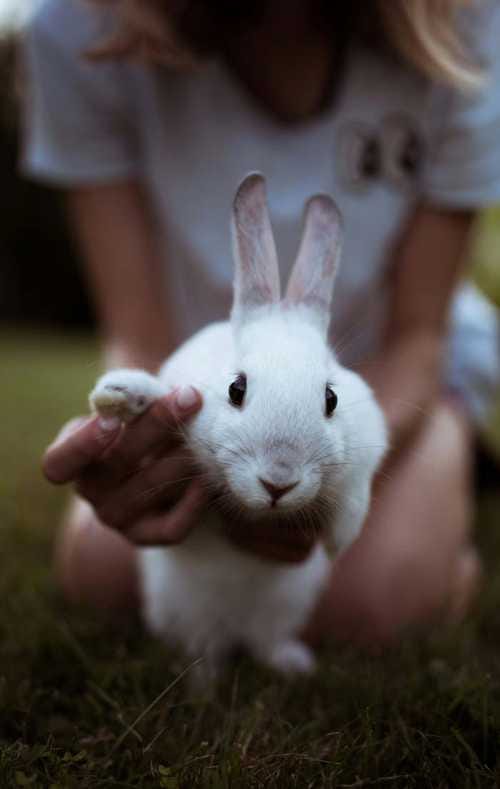
Just think about how a dog loves you somewhat automatically. But a rabbit, a bird, bunny, or reptile chooses you through consistent interaction, through trust that you have to build up slowly.
That kind of earned trust is precious. Losing it is devastating.
As the Saying Goes…
When you tell someone your duck died, or your mantis, donkey, or tortoise, condolences tend to be few and far between. The other person might pause. Maybe their expression shifts. Sometimes there’s stifled laughter.
I don’t think they mean any harm. They just have no framework for dealing with this. No social script. Our culture ranks animal grief by species and dismisses a lot.
That’s exactly why we have our community here at Healing From Pet Loss. Because if you happen to be in the camp where you’ve lost a pet of any size or shape or type and it’s been really difficult to walk through, we get it. Not everybody will, and that’s okay.
Hopefully at some point we’ll all reach the epiphany that it’s just not worth judging what matters to others if it doesn’t matter to you. Let them have their connections. Build your own. Kick judgment out of your thoughts. Like the poet and songwriter Ann Hampton Callaway wrote, “Love and Let Love.” (See the full lyrics here.)
This is wonderful. I still grieve my chameleon loss.
People mock what they do not and never will understand.